11 May 2026 James ev charging, resin driveways, resin maintenance
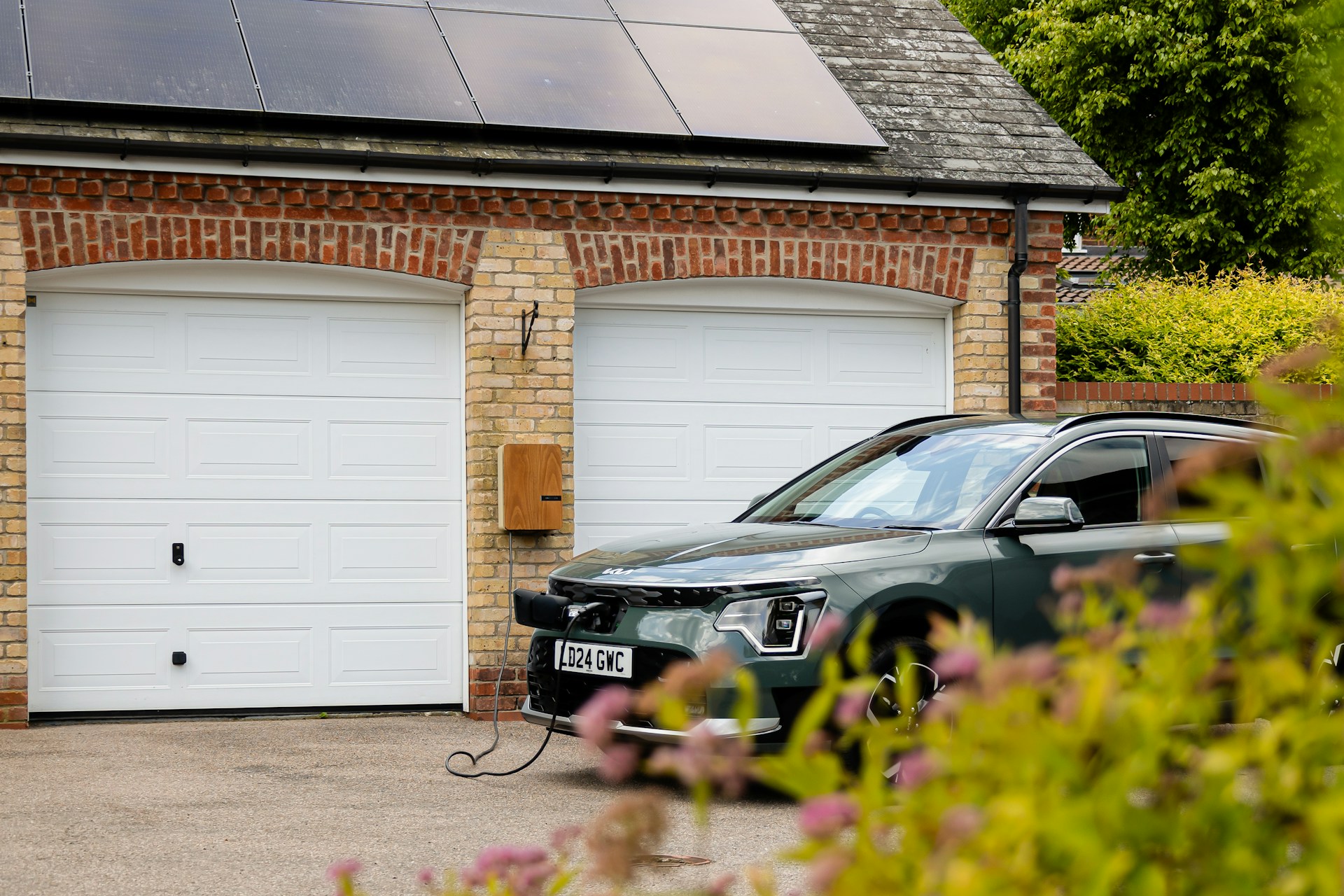
As electric vehicles become the norm in Devon and Cornwall, Somerset and Dorset, home EV charger installations are increasingly paired with resin driveways. Resin driveway surfaces offer a smooth, attractive finish but planning is essential to ensure the area around a charging post remains load-bearing, heat-resistant and easy to maintain.
Working with local installers and landscape teams who understand regional ground conditions and coastal exposure helps get the specification right – many tradespeople in the area work on resin driveways and associated groundwork.
Resin Driveway & EV Charging Design Essentials

- Load-bearing around posts: Provide a dedicated concrete pad beneath freestanding chargers. A reinforced pad (typical minimum 600mm x 600mm x 150–200mm, or to manufacturer spec) ensures the post is anchored into solid material so forces aren’t transferred to the resin surface. Spread load with base plates or anchors so the resin stays intact.
- Heat and cable wear: Choose resin systems rated for outdoor thermal exposure and UV-stable binders (polyurethane or epoxy-hybrid products designed for driveways). Route charging cables in protective conduit or over dedicated cable holders to avoid abrasion against the resin surface.
- Compatible resin mixes & concrete interface: Use a resin-bound or resin-bonded system compatible with a poured concrete edge or pad. Key is a clean, keyed joint and flexible sealant between resin and concrete to allow slight movement without fracturing the resin.
- Siting for drainage & appearance: Place chargers so cables don’t cross natural flow paths; avoid siting the post where run-off will pond on the resin. Consider visual impact and concealment (low-profile posts, tasteful cable tidies) to preserve the driveway aesthetics.
Simple Maintenance To Protect Your Investment
- Clean spills promptly (fuel, motor oil, battery fluids) using a mild detergent and water to reduce staining and avoid chemical attack.
- Inspect seals and joints annually and reapply flexible sealant where hairline gaps appear.
- Avoid hot-work (e.g., running exhausts or placing hot objects) on the resin surface to minimise thermal stress; remove any hot marks promptly and consult your installer for repairs.
- Protect cable contact points with rubber mats or dedicated cable protectors where cables regularly rest on the surface.
Take a look at our expert resin maintenance services to ensure durability of your resin bound surface when it comes to EV charging installations.
Product & Installation Specs (Recommended)
- Concrete pad: reinforced concrete to a minimum 25–30 MPa, 150–200mm depth (or per charger manufacturer), with proper drainage and compaction beneath.
- Resin system: UV-stable, outdoor-grade polyurethane or epoxy-polyurethane hybrid formulated for driveway use; aggregate 2–6mm graded for a dense, non-slip finish.
- Edge detail: keyed joint, flexible polyurethane joint sealant to allow movement between concrete pad and resin surface.
- Cable protection: 20–50mm ducting for buried runs; visible cable protectors for temporary routing.
Installer tips & safety
- Coordinate with a qualified electrician for meter, supply and earthing work – always use a certified installer for EV chargers.
- Install charger anchor plates onto the concrete pad before applying resin to ensure tidy finishing around the post.
- Sequence works: prepare and cure the concrete pad first, then install resin to the surrounding area and finish joints on the same day where practical.
- Document the as-built detail (pad depth, reinforcement, resin product and batch) for warranty and future maintenance.
Book Your Free Resin Quote With Our Resin Driveway Experts

If you’re planning an EV charger installation and want a driveway that’s built to handle it properly, getting the surfacing specified correctly from the outset makes all the difference. A well-installed resin driveway will give you a clean, durable finish that accommodates the concrete pad, cable runs and edge detailing needed for a safe, long-lasting charging setup – while still looking the part.
Our team works across Devon, Cornwall, Somerset and Dorset, and we understand the local ground conditions and coastal considerations that influence how a driveway should be laid. Whether you’re installing a charger now or future-proofing for one down the line, we can talk you through the options, recommend the right resin system for your property, and coordinate the groundwork to suit your charger specification.
Get in touch today for a free, no-obligation quote and let our resin driveway experts help you create a driveway that’s ready for the way you’ll be driving tomorrow.